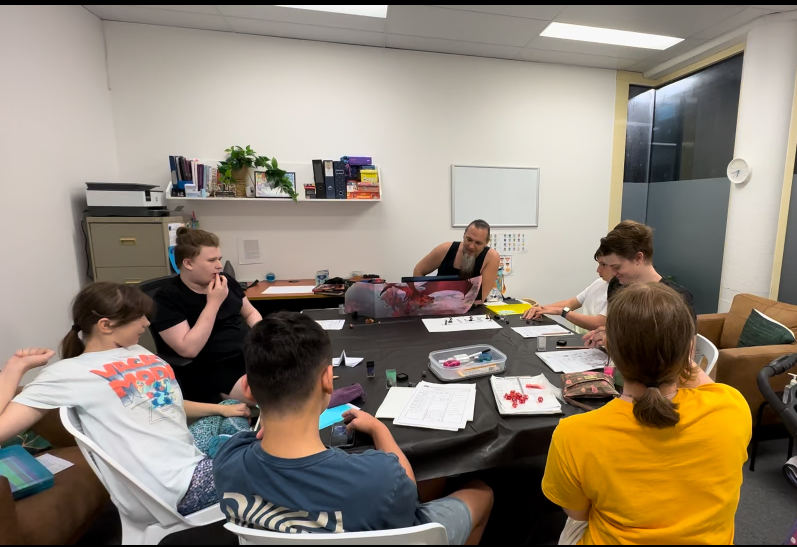
PEERS Social Skills
10-week group program for teens and young adults.


10 week
group program
for Teens and Young adults.
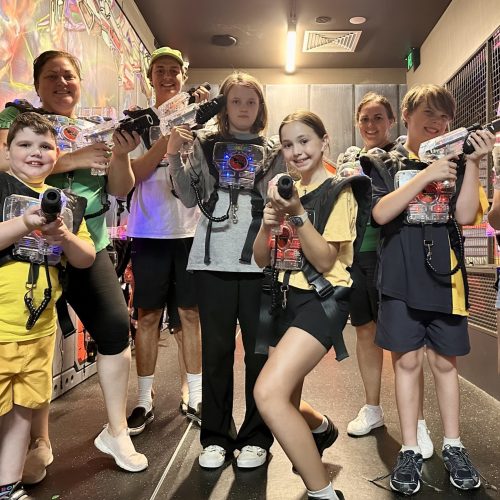
10 week
community based social group
for 16yo -25yo

10 week social skills development program
Fridays
Ages 8-14
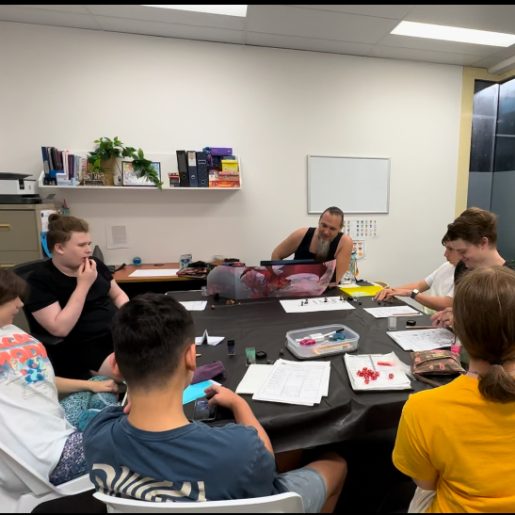
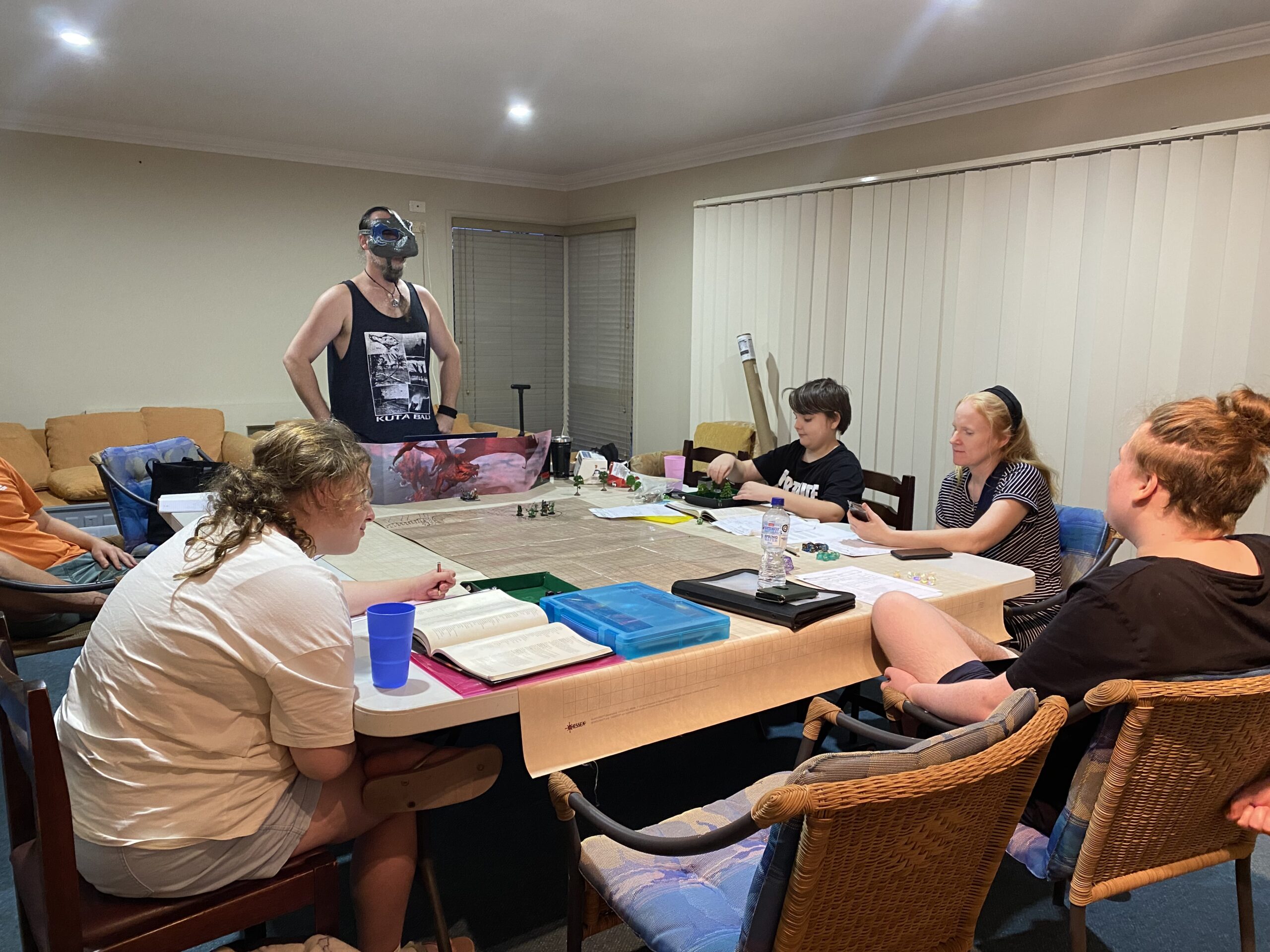
Every Thursday and Friday
Expert Dungeon Master
Suitable for beginners-advanced
The Social Hub is such a fantastic, supportive place for my autistic child.

My son has loved all the different activities every week. I’m jealous- looks so much fun and he is becoming more independent which is great!
My son is practicing his social skills with his peers in a way that is similar to the school playground. This is what he finds hard at school. I am so happy we have found Kylie and Jeanene who just get what he needs! Thank you!
My daughter has grown in confidence speaking to new people. She has met similar aged girls at the group who also love art and computer games. It’ s been difficult to find groups like this that cater to girls as well. She love it!
I had a great time meeting everyone and making new friends, which isn't something I thought I would ever say! The weekly outings were a lot of fun and I can't wait for next term.
I really loved what we were doing and all the things I have leant I can’t wait to see you next term.


Suitable for NDIS participants who are self managed or plan managed.
10-week group program for teens and young adults.
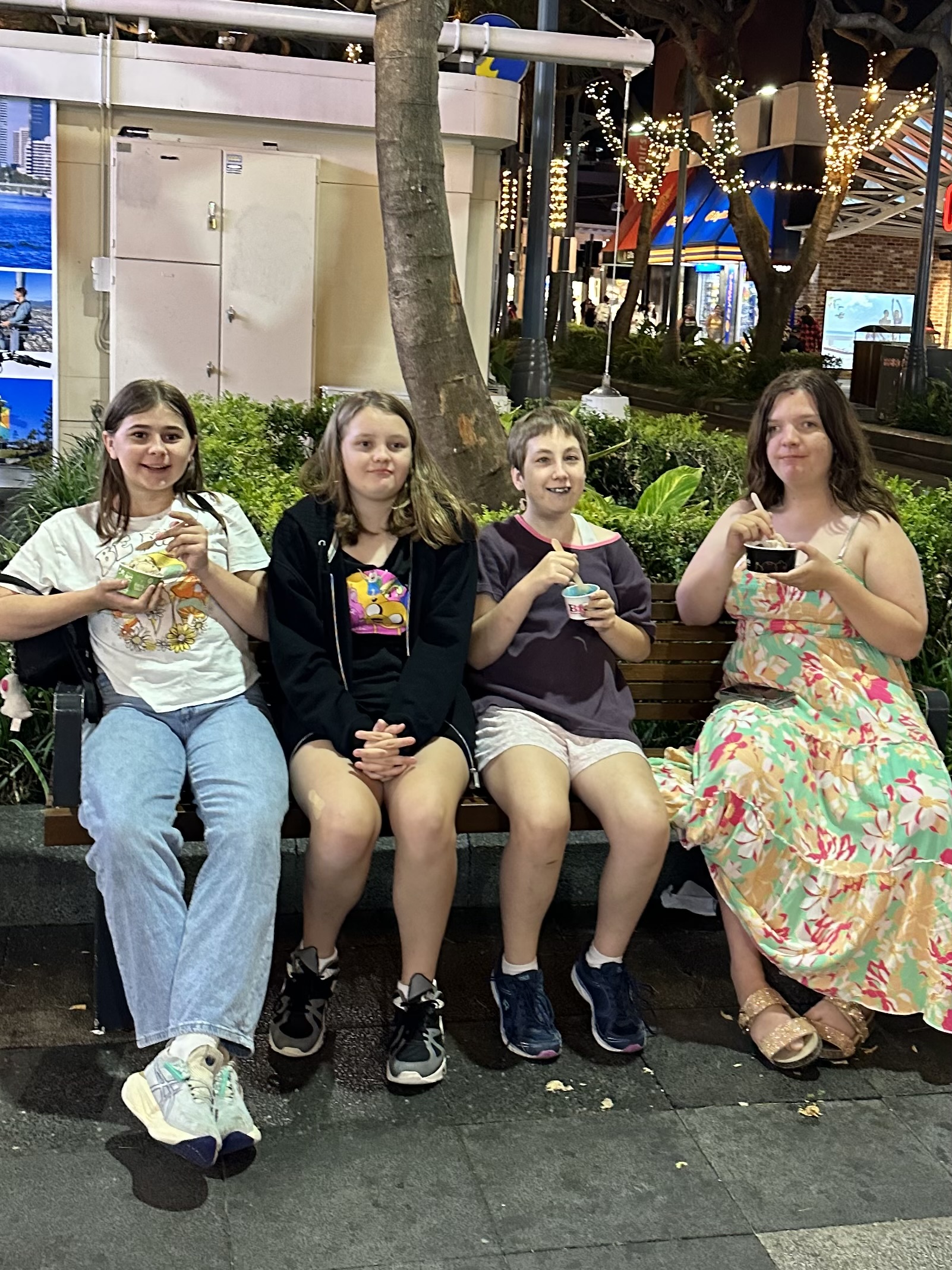
10-week community-based social group for ages 16–25.
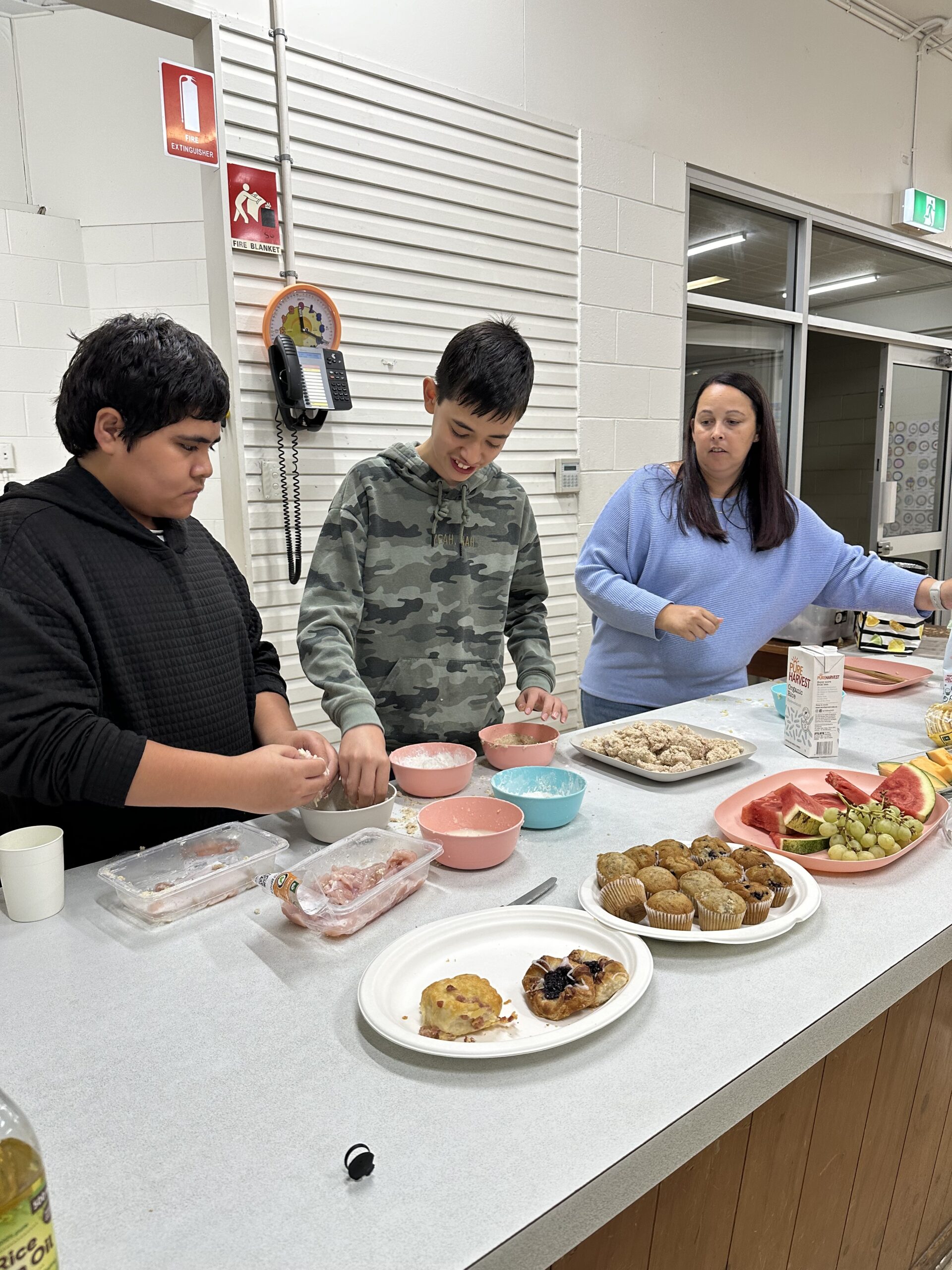
10-week social skills development program on Fridays. Ages 8–14.
Thursday and Friday groups led by an experienced Dungeon Master. Suitable for beginners through to advanced players.

Individual support, family guidance and practical strategies tailored to each person.

Emotional and practical support for autistic people and their families.
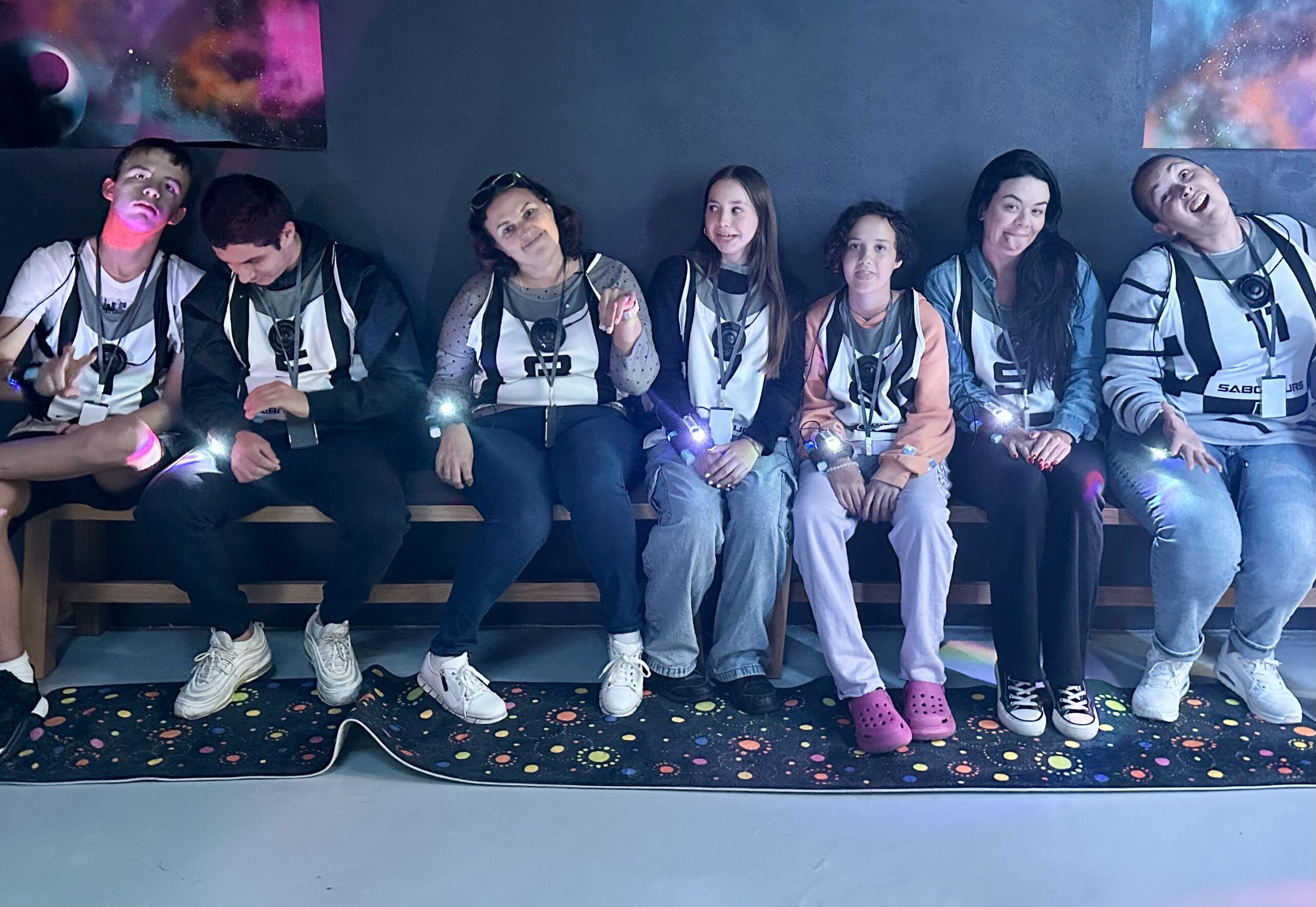
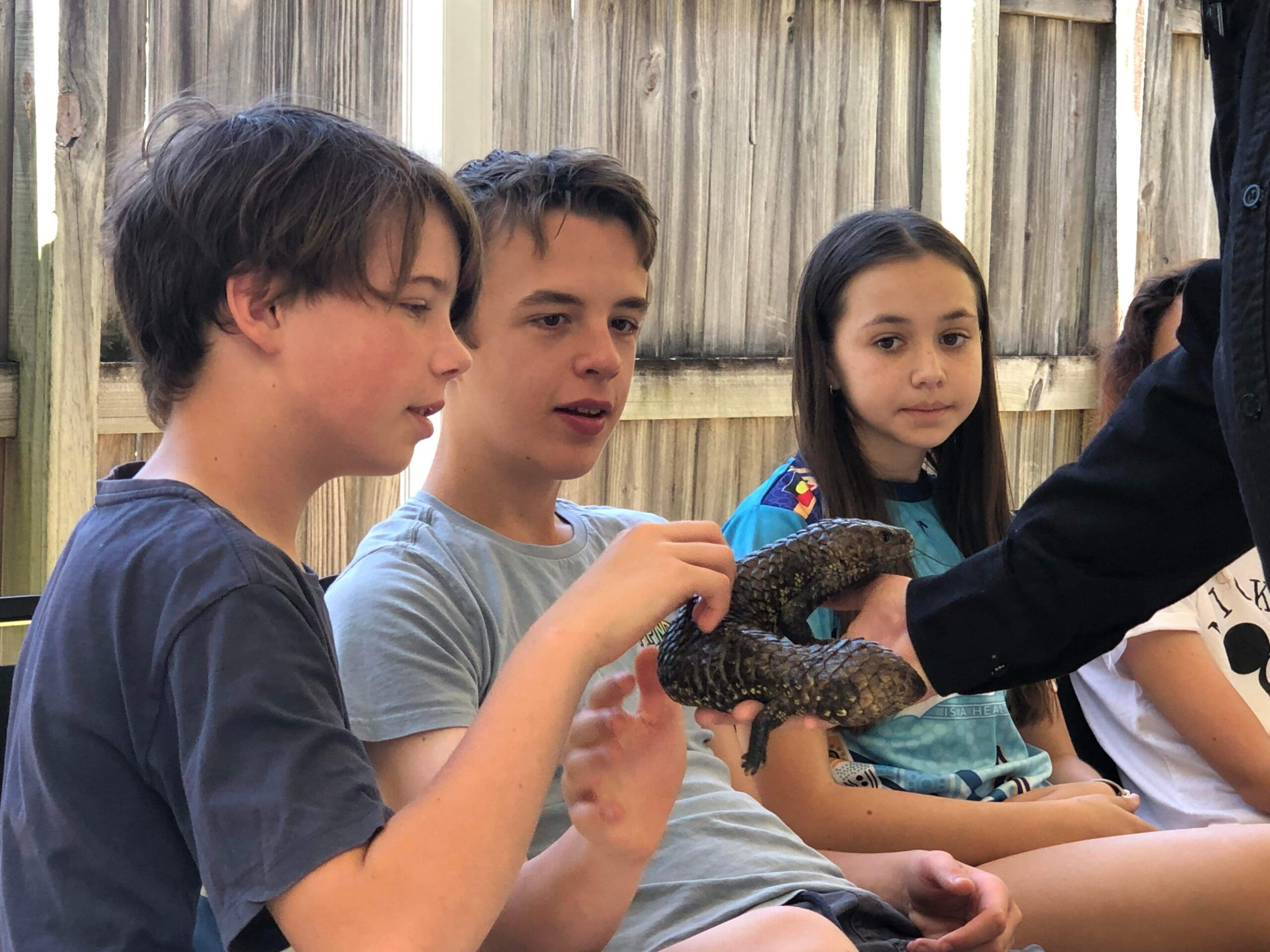
Workshops, group activities and community outings during school breaks.
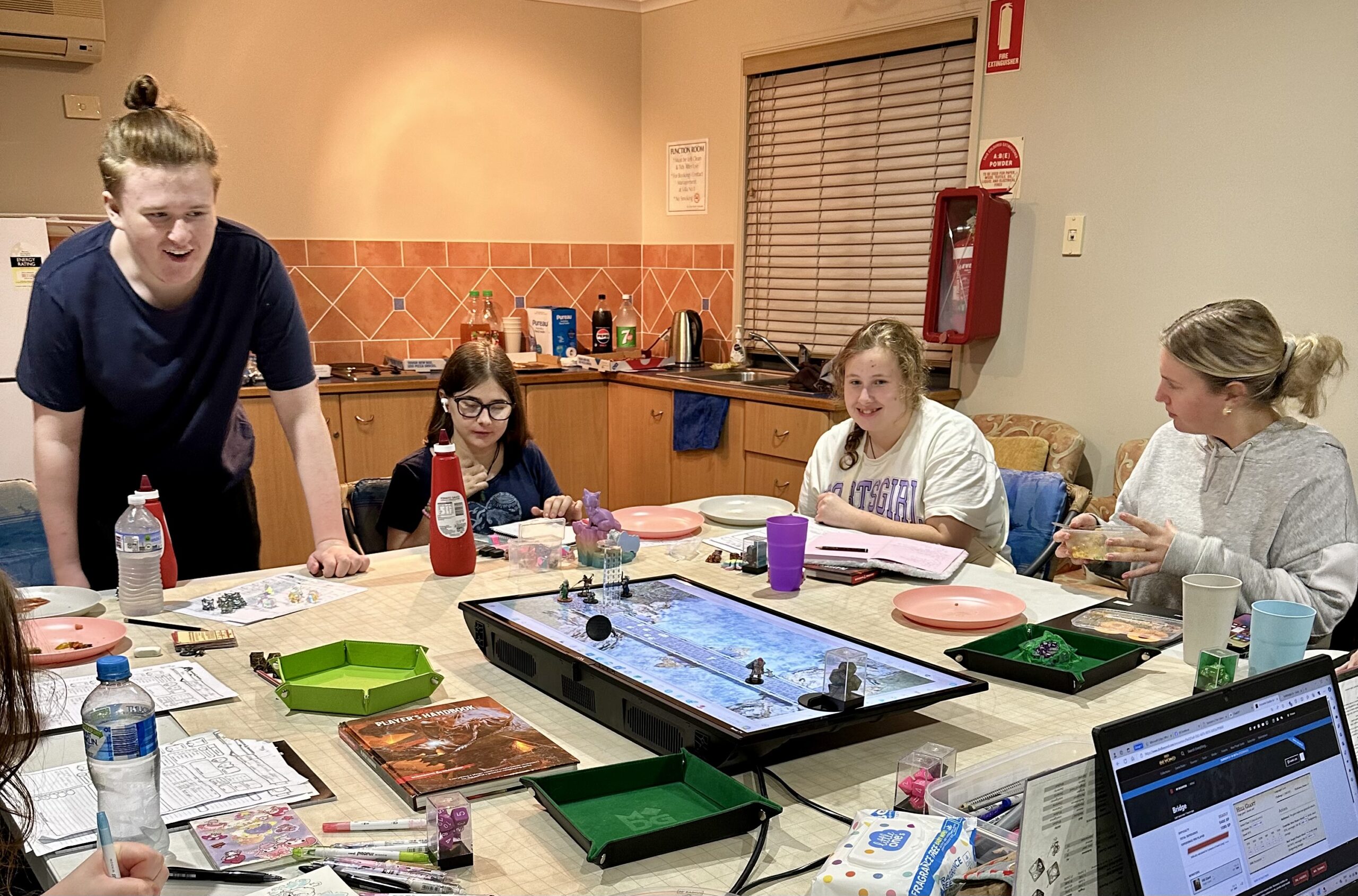
Therapist-led social development programs and community groups during the school term.
What participants and families say about GC Therapy Hub.
The Social Hub is such a fantastic, supportive place for my autistic child.
My son has loved all the different activities every week. I’m jealous- looks so much fun and he is becoming more independent which is great!
My son is practicing his social skills with his peers in a way that is similar to the school playground. This is what he finds hard at school. I am so happy we have found Kylie and Jeanene who just get what he needs! Thank you!
My daughter has grown in confidence speaking to new people. She has met similar aged girls at the group who also love art and computer games. It’ s been difficult to find groups like this that cater to girls as well. She loves it!
I had a great time meeting everyone and making new friends, which isn't something I thought I would ever say! The weekly outings were a lot of fun and I can't wait for next term.
I really loved what we were doing and all the things I have leant I can’t wait to see you next term.
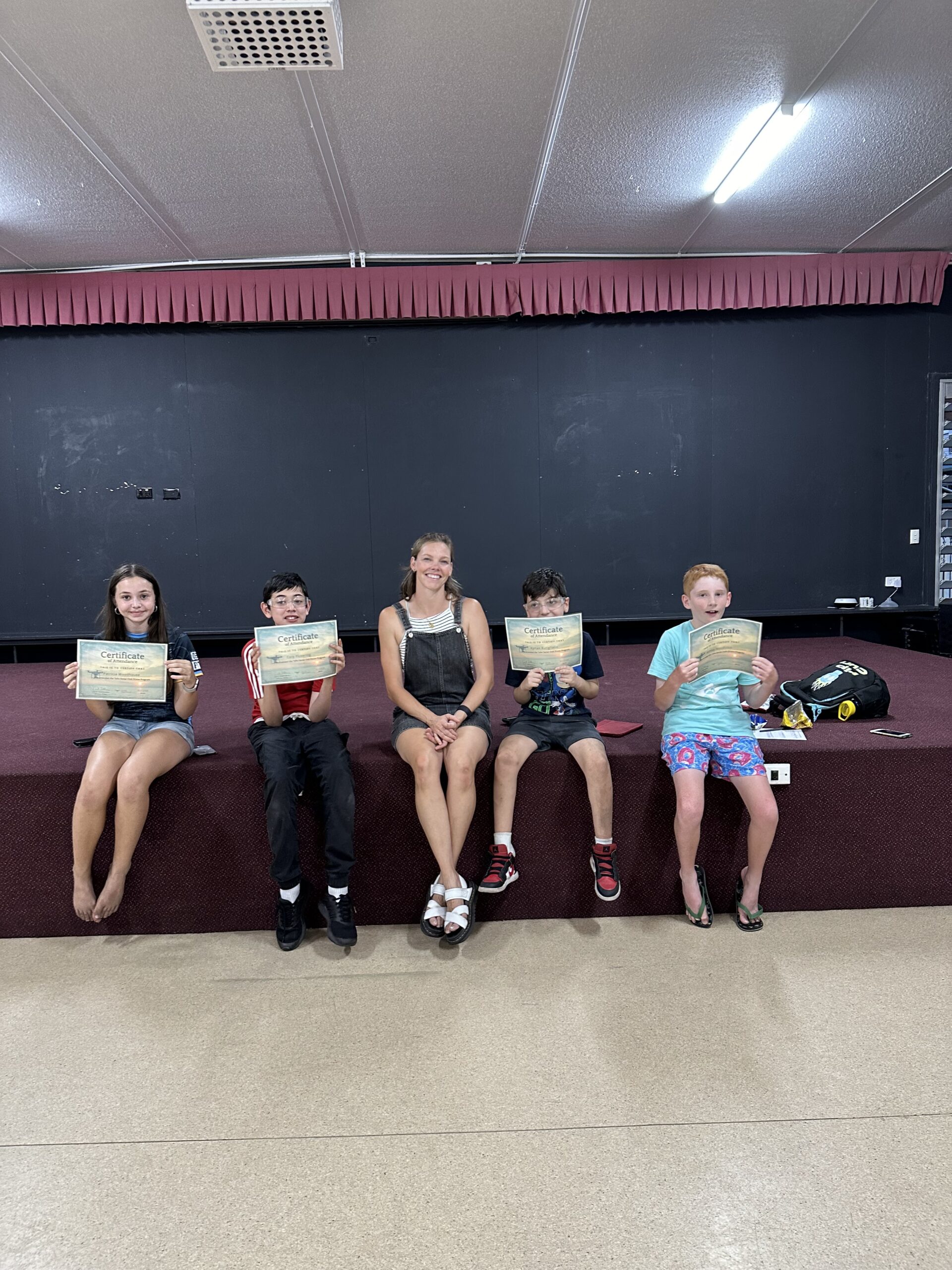
Establishing routines at home
Individualised guidance and practical strategies for autistic children, young people and their families.
More Info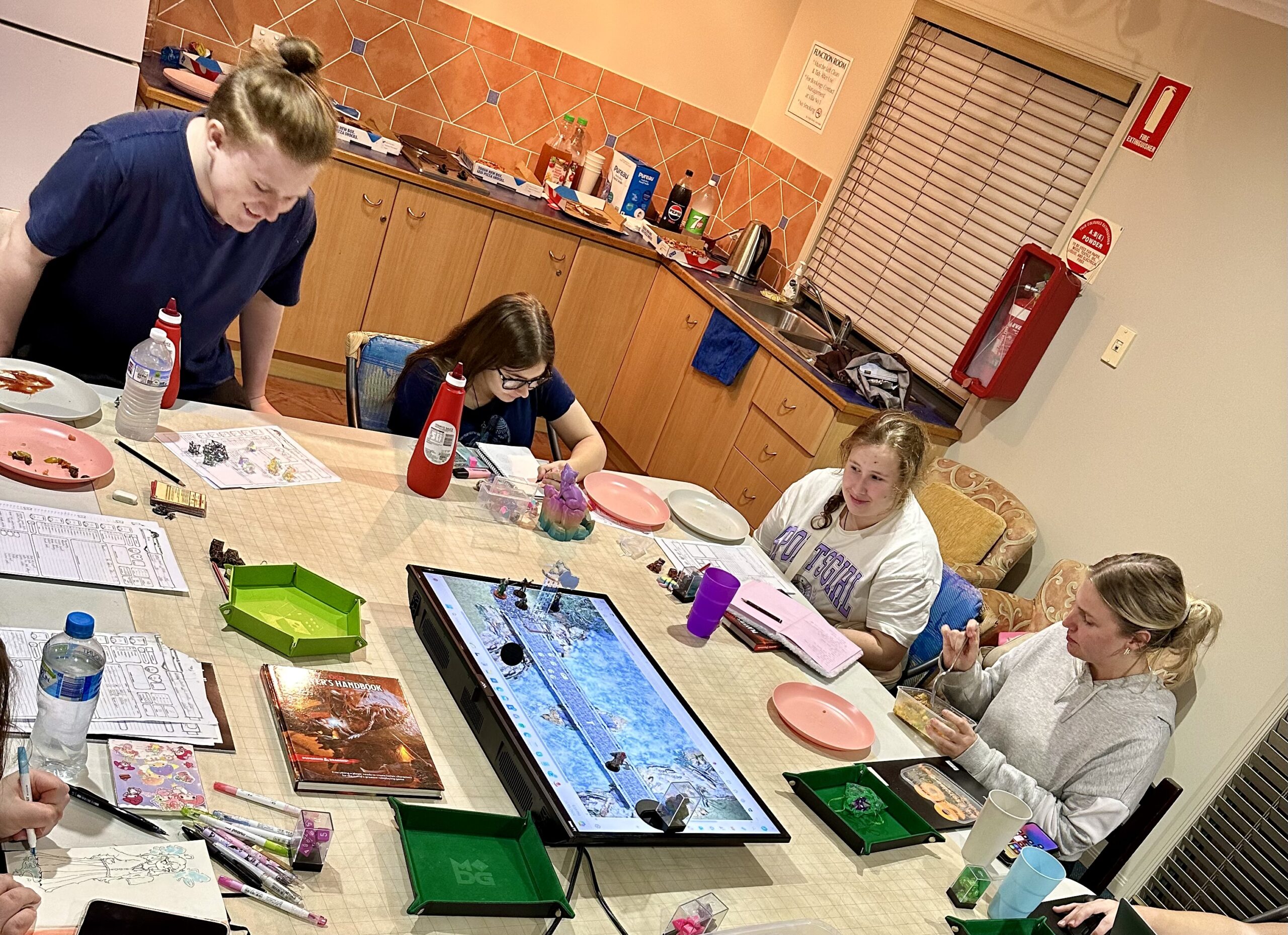
Help them make and keep friends
A structured social skills program for adolescents and young adults, with opportunities to learn and practise skills together.
More Info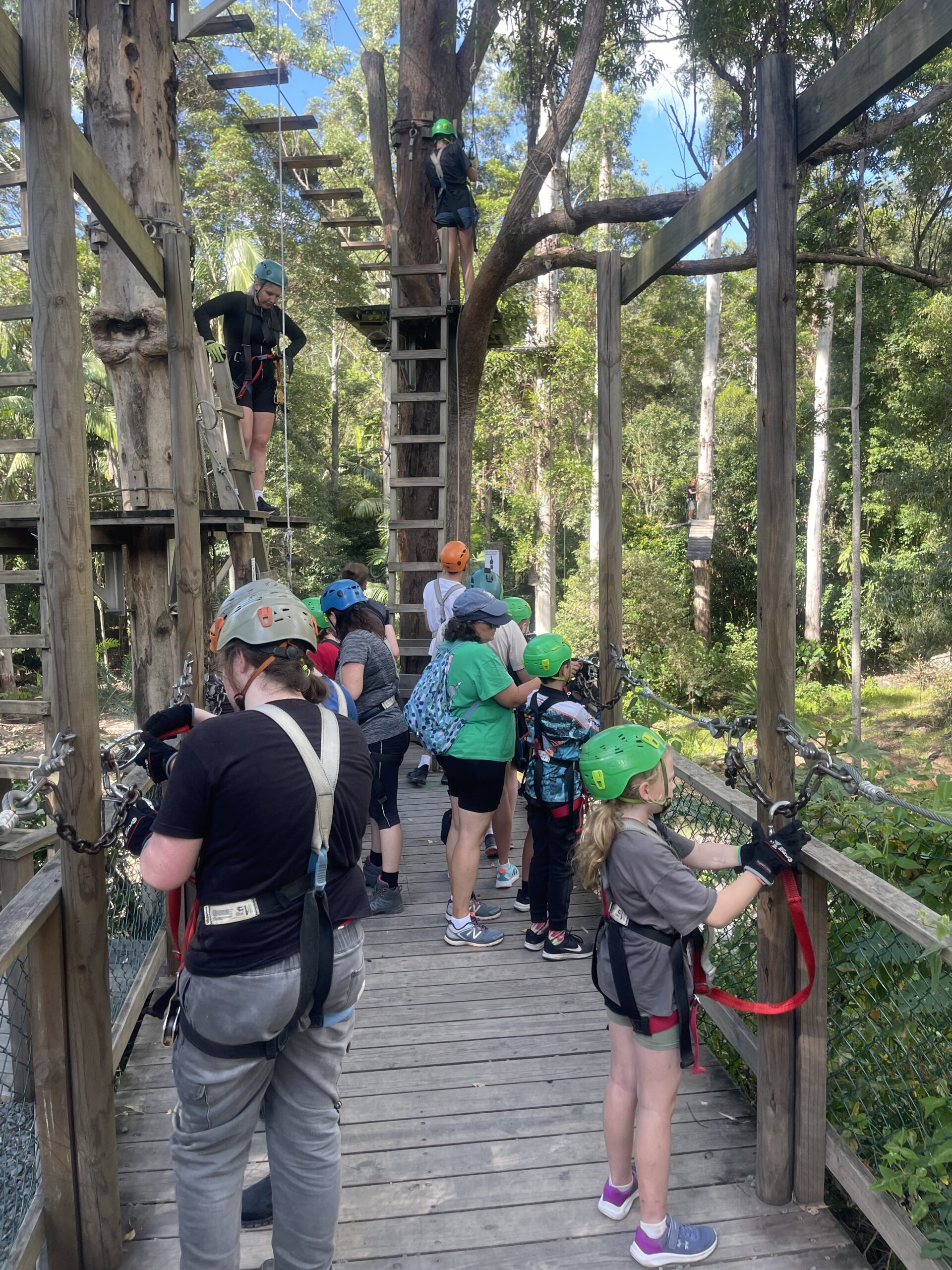
Individual support
Individual support at home and in the community, shaped around each person’s needs and goals.
More InfoGC Therapy Hub
We deliver neuro-affirming, therapist-led social skills programs that turn skills into practical, lived abilities. Sessions are structured, predictable and participant-led, with real-time coaching in the clinic and out in the community. We focus on regulation so young people can participate authentically, safely and with confidence.
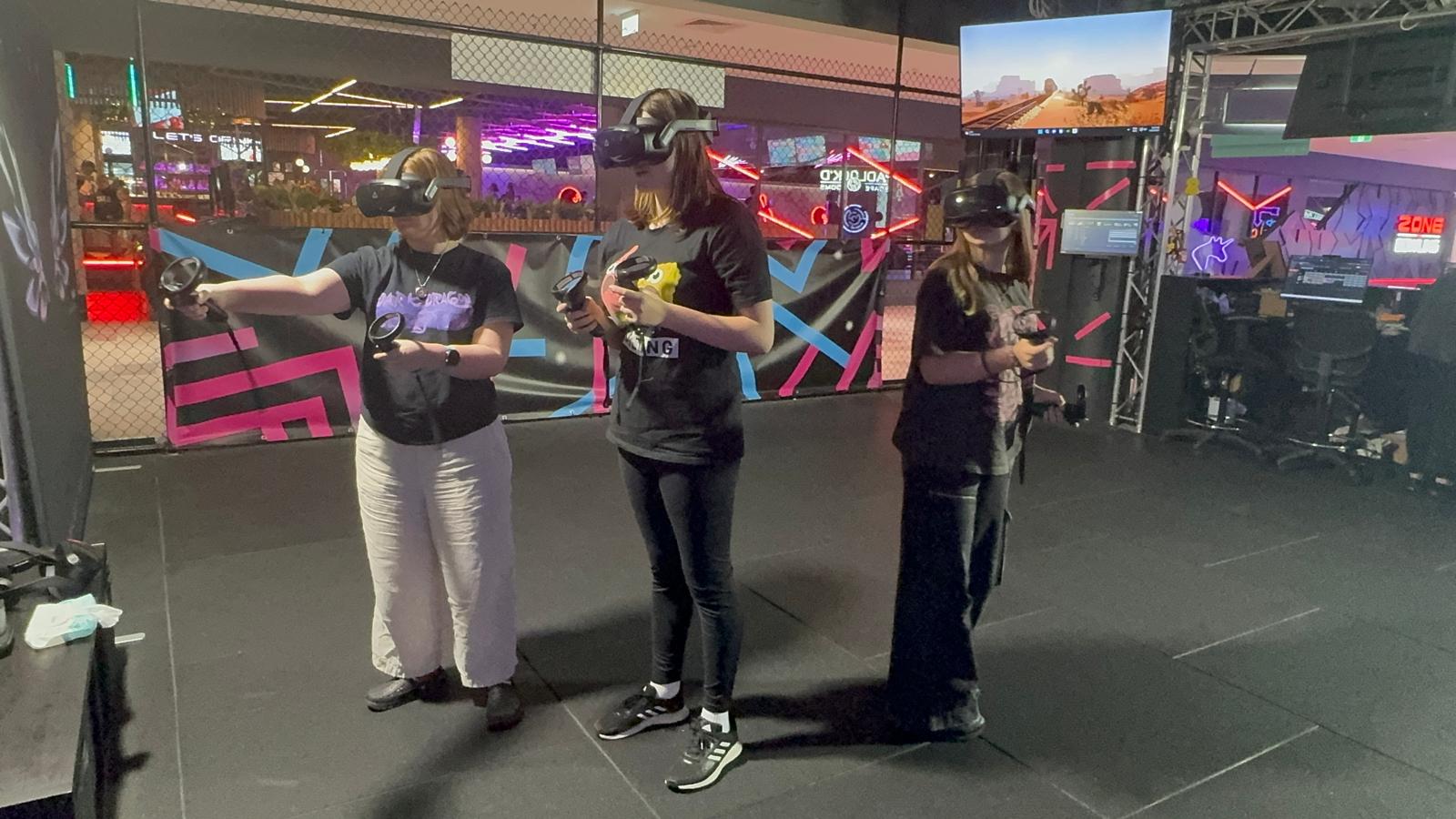
Social Workers, Autism Consultants and Psychologists bring different skills to our programs and work together to support learning in everyday settings.
Our AASW-registered Social Workers bring skills in assessment, case formulation, psychoeducation and in-the-moment coaching across home, school and community. They lead groups, support peer interaction and connect capacity-building goals with NDIS outcomes.
Our Autism Consultants translate autistic communication profiles and sensory needs into practical supports, visual structures and interest-based activities that help learning carry into everyday life.
Our AHPRA-registered Psychologists bring evidence-informed approaches to anxiety, emotional regulation and behaviour change that complement social skills learning and community practice.
These perspectives help us deliver consistent, research-informed programs that are engaging, supportive and useful in real-life situations.
Many facilitators bring lived experience as autistic or ADHD adults, or as parents of autistic teens. That perspective shapes our neuro-affirming practice: we prioritise regulation over masking, use predictable routines and choose activities that respect sensory needs while building confidence and independence.
Longer, graded sessions, such as three-hour community access and two-hour sessions over a 10-week term, provide opportunities to build stamina for school, work experience and community participation.
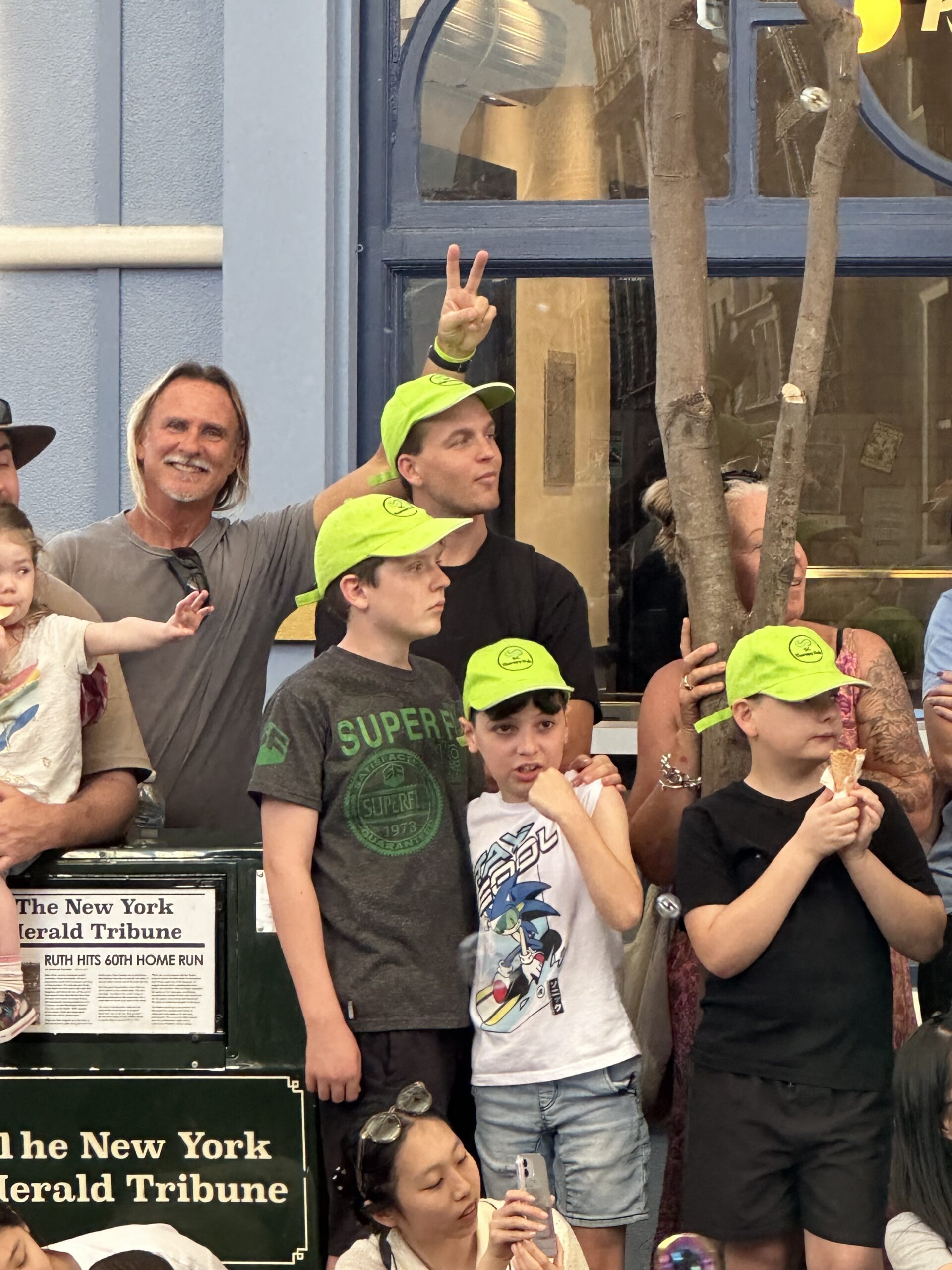
Conversation, friendship-building, problem-solving, conflict resolution, decision-making and negotiation are taught explicitly, practised and applied in settings such as shops, cafés, activities and public transport.
We plan for sensory needs through appropriate tools, pacing, visual supports and movement breaks, helping participants stay engaged without unnecessary distress.
Goals can align with NDIS outcomes. Brief session notes and reports help track growth and identify useful next steps.
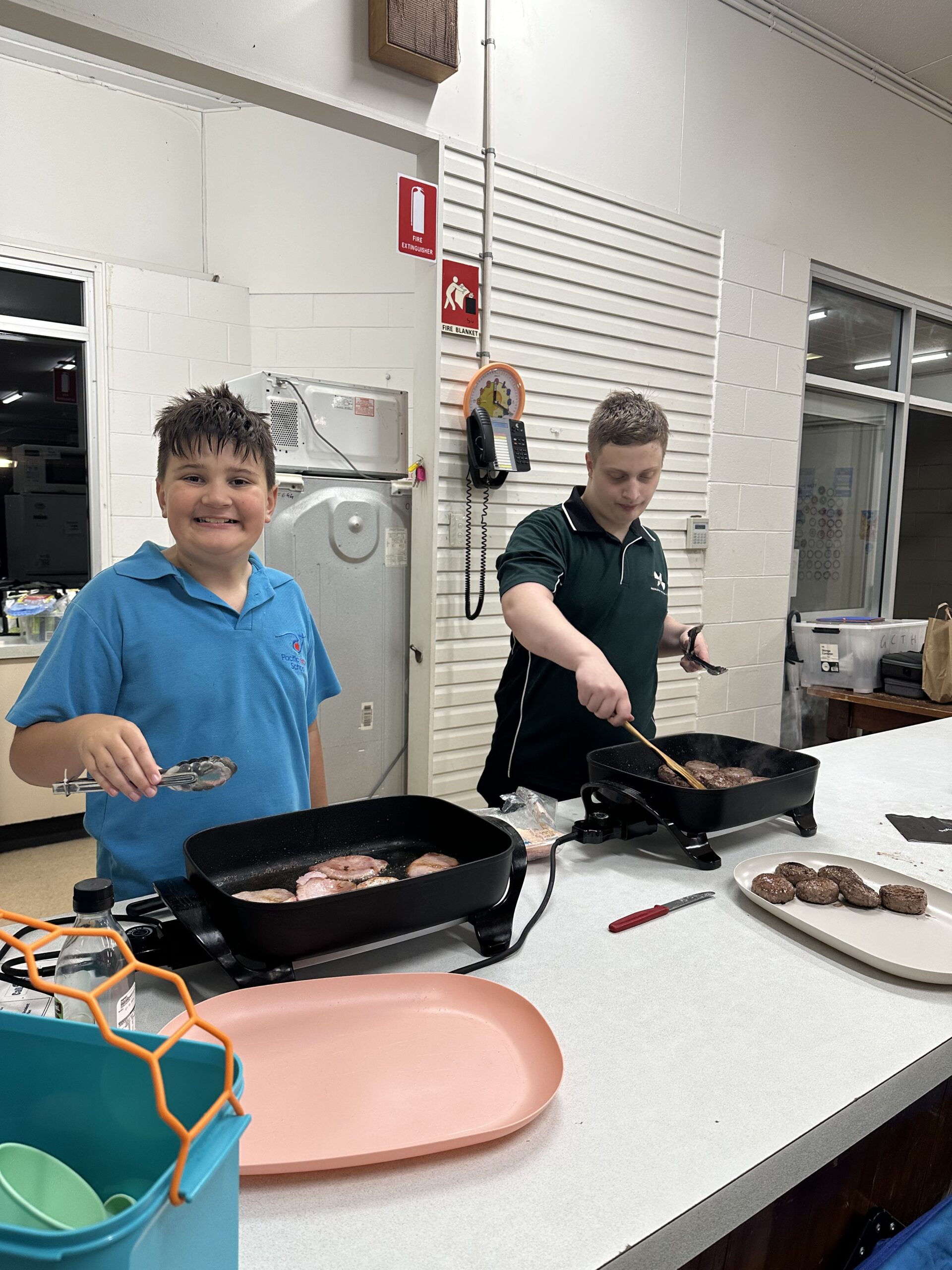
Masking can mean hiding or suppressing natural ways of communicating and coping to appear “typical”. Examples include forcing eye contact, holding in stims, rehearsing scripts or pushing through sensory overwhelm. Maintaining this can be exhausting.
For some young people, sustained masking can add to stress and anxiety. They may seem to cope during an activity but feel overwhelmed afterwards. We want participants to develop ways to engage that respect their needs and support their wellbeing.
In community programs, participants can practise these strategies in places such as shopping centres, on transport, in cafés and at activity venues. Graded challenges and therapist coaching help young people apply skills in the moment and participate in ways that work for them.